
Work life balance and the Third Space
Working from home isn’t a new concept, but it’s fair to say that digital and remote working have become more commonplace in the workforce following the COVID pandemic. Over six years later (yep, it has really been that long), for a lot of people there has been a social shift in what work, and work-life balance, looks like. Mounting financial pressures in a challenging global economy are forcing many of us to work longer hours, while workplace demands continue to increase in the name of “productivity.” These added pressures aren’t unique to working from home, but remote work does present a previously less common scenario where “going to work” looks like opening your laptop at the kitchen bench or taking two steps from your bedroom to your home office.
Work-life balance (the elusive art of balancing work responsibilities with life outside of work) has become something of a buzzword. It’s talked about constantly, but far less often practised by organisations or by us as individuals (I’m sure there'll be a few knee-jerk reactions to disagree with that). In an era where more of us are working remotely, the boundaries between work and personal life have become increasingly blurred. A quick look at the statistics from the Australian Institute of Health and Welfare tells us that in Australia alone, 61% of workers experience burnout, while 19% report they never truly switch off from work.

I'll throw a few scenarios out there, see if any resonate with you:
Your workplace emphasises its commitment to work-life balance, but then asks you to spend the evening or weekend thinking about a project and come back Monday with fresh ideas.
You make time outside business hours for sport or a hobby, but spend half (or more) of the activity mentally rehearsing tomorrow’s to-do list.
You close your laptop and silence your work notifications, only to find yourself checking them later that evening because you just can't help yourself.
You replay conversations from the day, worry about tomorrow's workload, or wake in the middle of the night thinking about work.
You experience the “Sunday scaries,” where the thought of Monday creeping closer leaves you feeling anxious before the week has even begun.
These are just a handful of the ways work can spill over into the rest of our lives. When that happens consistently, it doesn’t just affect our evenings or weekends, it can influence our relationships, sleep, mental health, physical health, and overall wellbeing. We carry stress from one part of our day into the next without ever giving ourselves the opportunity to put it down.
The problem is that many of us have become very good at ending work, but not very good at leaving work.
This is where the concept of the Third Space comes in. Rather than expecting ourselves to magically switch from “employee” or “business owner” to “partner,” “parent,” “friend,” or simply “ourselves” the moment we close the laptop, the Third Space encourages us to create a deliberate transition between those roles. It gives us permission to pause, reset, and choose how we want to show up in whatever comes next.
We often move straight from one part of our day to the next without giving ourselves a chance to mentally switch gears. As a result, the stress, frustration, or exhaustion from one situation can easily carry over into the next, whether that's bringing work stress home or arriving at an exercise session already feeling overwhelmed.
The term Third Space has its origins in sociologist Ray Oldenburg’s work, where it described welcoming places outside of home and work, such as cafes, parks and community spaces, that foster connection and belonging. Human performance researcher Dr. Adam Fraser adapted the term Third Space to describe the intentional pause between one part of your day and the next, helping you mentally and emotionally transition from one role to another.
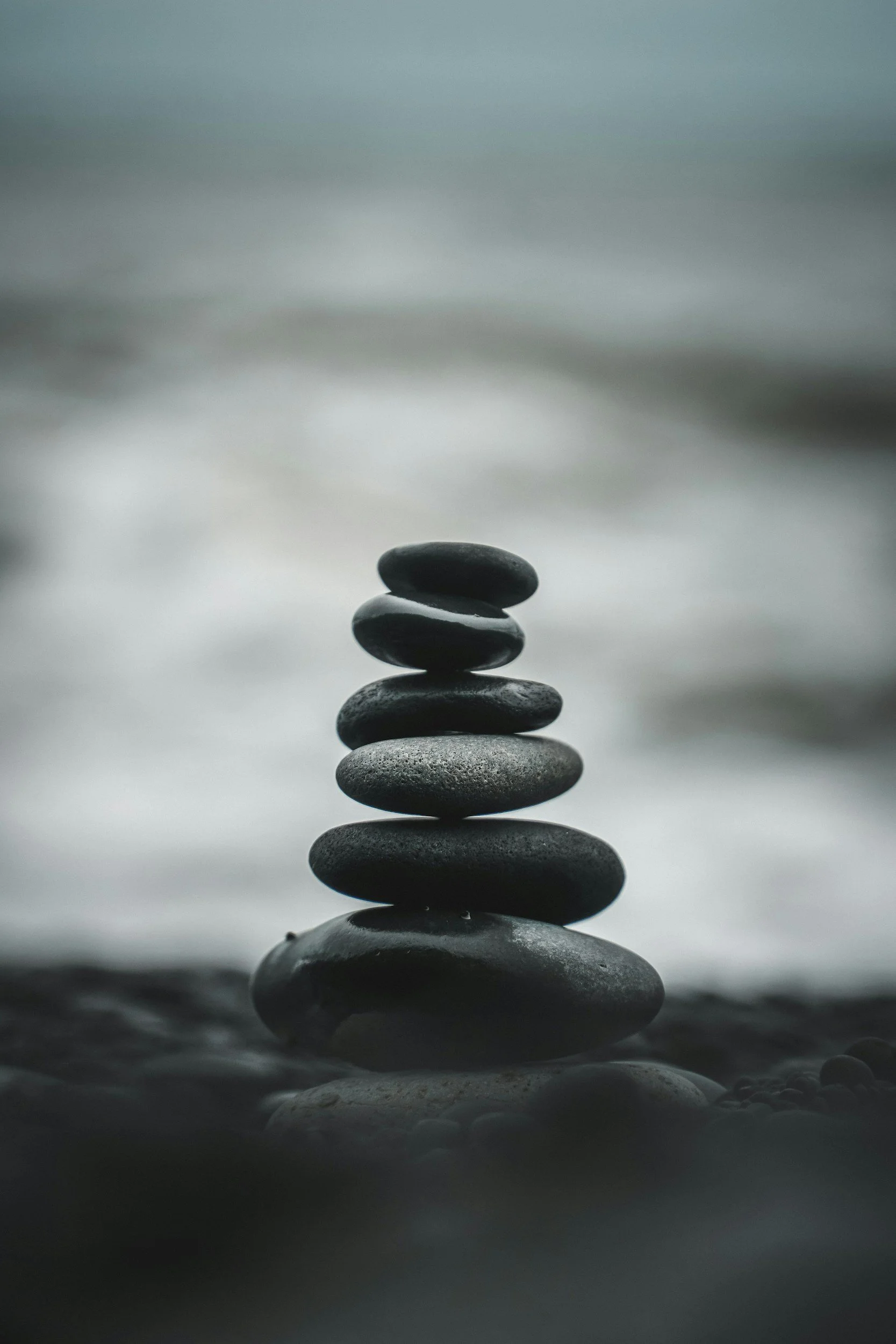
The process involves three simple steps:
Reflect: Take a moment to acknowledge what just happened. Consider what went well, what challenged you, and whether there are any lessons or achievements worth recognising before moving on.
Rest: Give your mind and body a brief opportunity to settle. This might involve a few slow breaths, stretching, a short walk, or simply sitting quietly for a minute or two.
Reset: Before entering your next environment, decide how you want to show up. Ask yourself, “What mindset do I want to bring into this next part of my day?” This small act of intention can help you be more present, patient, and engaged.
The entire practice can take as little as five minutes, making it an easy habit to incorporate between work and home, before a workout, or whenever you're transitioning between different roles and responsibilities. Over time, these small pauses can help reduce stress, improve focus, and allow you to be more intentional with how you respond to the people and situations around you.

Using movement as your Third Space
Exercise can be one of the most powerful ways to create a Third Space. Rather than viewing movement purely as something you “have to fit in,” it can become a transition that helps you shift mentally and emotionally between different parts of your day.
For example, a walk after work can help you leave the day’s stress behind before arriving home. A gym session before work can help you move from feeling groggy to feeling focused and energised. Even five to ten minutes of gentle stretching after closing your laptop can create a clear boundary between “work mode” and “home mode.”
The key isn't the type of exercise, it's the intention behind it. Instead of jumping straight into your workout on autopilot, take a moment to ask yourself:
What am I carrying with me right now?
What do I want to leave behind?
How do I want to feel when I finish?
You might use the first few minutes of your walk, run, cycle, yoga practice, or strength session to reflect on the day. As your body settles into movement, allow yourself to let go of lingering tension. Towards the end of your session, think about how you want to show up for whatever comes next, whether that's work, family, friends, or simply yourself.
When movement becomes a mindful transition rather than another task on your to-do list, it can support both your physical health and your emotional wellbeing.

When exercise isn't the right Third Space
There will also be days when exercise isn’t what your body needs, or simply isn’t possible.
If you're unwell, recovering from injury, experiencing a flare of a chronic condition, overwhelmed by fatigue, or you’re simply short on time, forcing yourself to exercise may add another layer of stress rather than helping you reset. Your Third Space doesn't have to involve movement to be effective.
Instead, consider creating a small ritual that signals the end of one part of your day and the beginning of the next. That might look like:
Taking five slow, intentional breaths before walking through your front door.
Sitting in your car for a couple of minutes before heading inside.
Making a cup of tea and drinking it without distractions.
Listening to a favourite song or calming podcast during your commute.
Spending a few minutes journalling or writing down the thoughts you don't want to carry into the next part of your day.
Stepping outside for fresh air or simply noticing your surroundings with curiosity.
The goal isn’t to find the “perfect” reset routine. It’s to create a consistent pause that gives your nervous system time to shift and allows you to choose, rather than react, as you move into your next role.
Sometimes that pause looks like a workout. Sometimes it looks like stillness. Both are valuable. The most effective Third Space is the one that meets your needs in that moment.
More than work
Whether you work from home, commute to an office, spend your days on the road, in a clinic, on a construction site, in a classroom, in retail, or on the night shift, one thing remains true: work is only one part of who you are. Employment is, at its core, a business transaction. You exchange your skills, knowledge, time, and expertise in return for income. While your work may be deeply meaningful, it should never become the sole measure of your worth as a person.You are more than your productivity | More than your inbox | More than your job title | More than your performance review
More than the number of hours you worked this week
The people who care about you don’t benefit from getting what’s left of you after work. They benefit from getting you, present, engaged, and able to enjoy the moments that make life meaningful. Just as importantly, you deserve that version of yourself too. The challenge with today’s increasingly connected world is that work no longer stays at work. Smartphones, email, messaging platforms, and remote access mean our workplaces can reach into our homes, holidays, and weekends with the tap of a notification. Even if you never work from home, the digital world has made it easier than ever for work to follow us wherever we go.
Creating boundaries therefore requires intention.
That might mean:
Closing your laptop and physically putting it out of sight.
Turning off work notifications outside your rostered hours.
Having a dedicated workspace that you can leave behind at the end of the day.
Scheduling movement, hobbies, or time with loved ones with the same commitment as a work meeting.
Practising a Third Space ritual before walking through your front door, or even before leaving your home office.
Reminding yourself that not every email requires an immediate response, and that rest is not something you have to earn.
Healthy work-life balance isn't about perfectly separating work and life every single day. Some seasons will demand more from us than others. It’s about recognising when work is taking up more space than it should, and having strategies that help you reclaim the parts of life that matter. The Third Space isn’t just a five-minute pause between one task and the next. It’s a reminder that you get to choose how you move through your day. That you don’t have to carry every frustration, every deadline, or every difficult conversation with you. That you can close one chapter before beginning another.
Because at the end of your career, it’s unlikely you’ll wish you’d answered one more email or attended one more meeting. But you may wish you’d been more present for the people you love, the experiences that brought you joy, and the moments that made life feel full.
So before you move into the next part of your day, pause.
Take a breath.
Reflect. Rest. Reset.
The next version of you deserves to arrive there intentionally.