

Are SMART goals outdated, and what are the alternatives?
Whether it be at school, in the workplace or maybe while on some sort of personal endeavour, chances are you’ve come across the idea of goal setting before. SMART goals in particular are incredibly popular, and were once considered the “gold standard” of goal setting. But, is this really the best strategy to support you in achieving your goals?
Let’s first unpack why goal setting is important. Having a goal (something you want to achieve) regardless of the process you use to get there, has been shown to significantly increase your chances in achieving that desired outcome. SMART goals implement a strategy of breaking down this outcome into particular components:
Specific: A clear definition of what you want to achieve, often answering the who, what, when and where).
Measurable: Using metrics or numbers to track your progress and know exactly when you have achieved your goals.
Achievable: Ensuring the goal is realistic, considering the resources and skills you have available, as well as any constraints or barriers.
Relevant: The aim should matter to you and align with any broader or larger personal or professional goals.
Time-Bound: Implementing a deadline or target date to promote urgency and focus.
So what’s the problem with SMART goals?
Some people find the structure and familiarity of SMART goals to be useful - and if this works for you, great! While they do help to break down goals into productive steps with clear plans and strategies, they were designed for a more structured, controlled era, particularly in workplace and learning environments. They are lacking in some key components for both driving change and achieving outcomes:
They lack a “Why”: Being metrics focused and technical in nature, they don’t leave much room for emotional motivation or passion. This is often one of the key drivers for why you might be setting a goal in the first place.
SMART goals are constrictive: through their need to be “realistic” or “achievable,” SMART goals limit our potential. This builds a ceiling effect for goals, implying that life-changing or ambitious changes aren’t possible.
Singularity: Focusing on one quantifiable measure prevents flexibility in changing environments. It discourages creative or original thinking, limiting our ability to adapt to unforeseen circumstances (and life happens right - circumstances change ALL THE TIME, and often unexpectedly).

Why are we still using this goal setting method?
It’s interesting to note that even though SMART goals are common-place and the go-to goal setting method. They were widely criticised when they were introduced. However, at the time, this was a new, innovative strategy that took vague intentions and helped to shape them into structured plans. In educational and corporate settings they provided a means to measure performance and compliance, and they were relatively simple and easy to implement. While there has been some shift in recent years to alternative goals setting strategies, organisational change takes time, and old habits die hard.
While there are alternative goal setting strategies emerging in the corporate world, here are some current evidence-based goal setting alternatives that can be used for all aspects of life, particularly for health improvement, behaviour change and self development:
Value-based Goals
These types of goals are centred around your why (your reason for wanting to implement a change or achieve an outcome). Aligning your actions with personal values can help add meaning to long-term habit building. Value-based goals are less focused on specific outcomes and metrics, are less restrictive, and you can be less prone to quitting after a goal is achieved.
Steps to implement value-based goals:
Identify your core values: What matters most to you in your daily life? This could relate to physical health, mental wellbeing, family life and many other aspects of your wellbeing.
Shift your perspective: Focus on aligning your day to day habits and behaviours with these core values, rather than focusing on what you’re not currently doing.
Take action-focused steps: Turn these perspectives around your values into routine habits and actions.
Example:
“I value my mobility and staying active with my family”.
To align your habits with these values you may want to add more active play time with your family and some ‘me time’ for exercise.
Action focused steps might look like 20 minutes active play time with my family after school, and a morning exercise routine that’s just for me (e.g. going to the gym, a home pilates routine, a morning walk).
Open Goals
These types of goals are less structured but can still be impactful. This non-specific approach encourages exploration and is less restrictive than other strategies. Open goals have been shown to be effective particularly for people struggling with restrictive routines or those new to goal setting and behaviour change.
An example of an open goal:
“Lets see how many steps I can get today” rather than a concrete metric such as “I must achieve 10,000 steps per day”.
Approach vs Avoidance Goals
Psychological research shows that moving towards a desired behaviour promotes stronger psychological wellbeing and success compared to avoiding or restricting certain behaviours.
An example of an approach goal is:
“I’m going to go for a 30 minute walk before work,” rather than avoiding an inactivity behaviour such as “I’m not going to scroll on my phone in bed before work”.
Focusing on what you’re going to do has been proven to have both better outcomes, and improve mental wellbeing.
WOOP Method
Setting an intention is often not enough to support goal-directed behaviour and you must prepare for friction and barriers that may get in the way of your progress. This science-backed method centres around contingency planning to reduce the chances that your goals will be derailed.
How to use the WOOP method:
Wish: State your goal clearly.
Outcome: Use visualisation to experience the goal before it happens. What does it feel like to achieve this goal? Whether you think of it as visualisation, manifestation, intentional focus - being clear about what a successful outcome looks and feels like has been shown to encourage success.
Obstacle: Identify what might get in your way. Think of all the possible obstacles including ways you may self-sabotage your progress (e.g. running out of time, bargaining with yourself to do it another day, the weather, low motivation).
Plan: Create a specific, actionable work around (e.g. Scheduling your training, laying out your workout clothes the night before for a planned morning session, investing in wet-weather gear or having a home exercise routine as an alternative).
Habit Stacking:
This method is a behaviour-change technique that focuses on attaching a new habit to an existing routine. This method harnesses the strength of existing neural pathways to help enforce these new habits, taking a lot of the additional brain power out of starting something new.
Here are some ways to build your habit stack:
Identify the anchor habit: What is a habit you already do consistently? An example could be brushing your teeth, feeding your pet or boiling the kettle.
Brainstorm new behaviours: What is a new habit you’re wanting to add to your routine? It can be helpful to start with short habits such as a 1 minute medication, stretching or drinking a glass of water.
Map the stack: Pair this new behaviour alongside or immediately after the existing anchor habit. E.g. stretching while the kettle boils, spending 2 minutes outside after feeding your pet.
Grow the stack: Once the new habit feels neutral or ingrained in your routine, layer another small habit on top. Small changes can accumulate into big results.
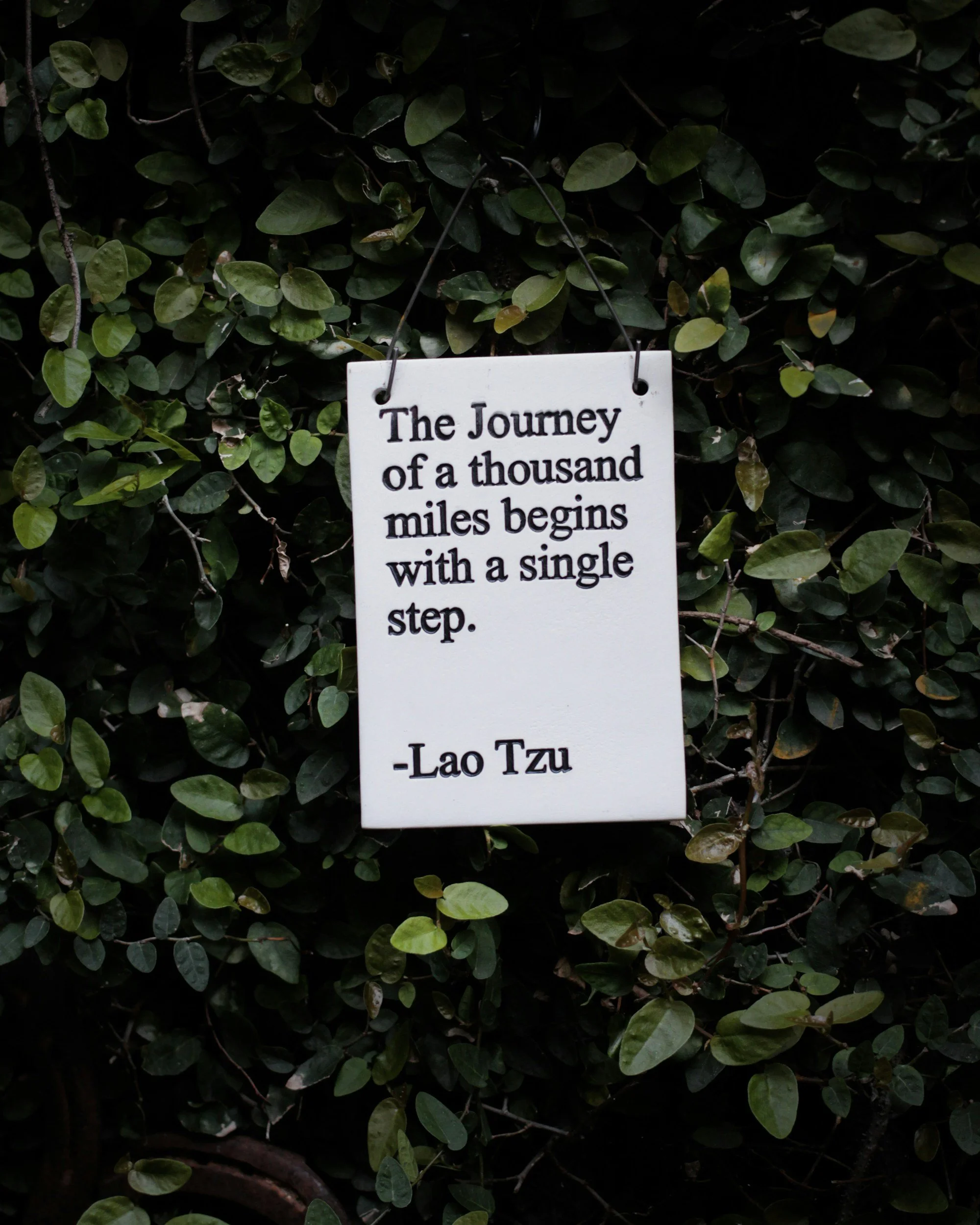
Having different options for goal setting is important for helping you to work out what really drives you.
While SMART Goals are still heavily used and promoted, they’re not the only option, and they may not be the best option for you. For some people, the rigidity and the structure works for them. For others, values, flexibility, meaning and accessibility can be more effective strategies to support your progress. Maybe you combine different elements of the many strategies to customise your own goal setting process. Individual difference (what distinguishes one person from another) is a crucial part of both making changes to achieve your goals, and making them stick.
Happy goal setting!